
Harvey Weinstein, once one of the most powerful figures in Hollywood, was convicted Wednesday on a top charge in the retrial of his landmark sex crimes case that helped ignite the global #MeToo movement. The verdict, handed down by a jury in Manhattan, marked a partial victory for both prosecutors and the disgraced film producer himself after an emotionally charged and legally tangled retrial.

Now 73 years old, Weinstein was found guilty of forcibly performing a sex act on former production assistant Miriam Haley in 2006. However, he was acquitted of another criminal sex act charge involving Kaja Sokola, whose allegations were added to the case only last year. Meanwhile, jurors have not yet reached a verdict on a third charge, the alleged rape of aspiring actress Jessica Mann in 2013. Deliberations on that count will continue Thursday.
The split decision underscores just how complex and emotionally charged this retrial has been. Weinstein’s initial conviction in 2020, which was widely viewed as a milestone moment for survivors and the #MeToo movement, was overturned in 2023, casting the entire case into uncertainty. The retrial returned to the same Manhattan courtroom, but this time featured new voices, new challenges, and new drama.
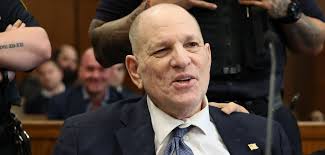
One of the most striking moments came from Weinstein himself, who pleaded with the judge to call off the trial altogether.
“My life is on the line, and you know what? It’s not fair,” he said, addressing the court directly in an unusually emotional outburst. “It’s time, it’s time, it’s time, it’s time to say this trial is over.”
The verdict hadn’t yet been delivered when he made this plea, further amplifying the tension in the courtroom.
This retrial played out with a twelve-person jury composed of seven women and five men. The group had already spent five full days in deliberations, revisiting hours of testimony, particularly from Jessica Mann, whose account of being raped in a Manhattan hotel room formed the basis of the pending charge.
However, the jury wasn’t just wrestling with complex legal questions, they were grappling with internal tension too.
The jury foreperson, in an extraordinary turn, asked to speak privately with the judge and confessed he was struggling with the group dynamics. He expressed frustration that other jurors were pressuring him to change his stance and even claimed one juror told him, “I’ll meet you outside one day.”
Judge Curtis Farber disclosed that the foreperson felt bullied and didn’t want to change his position. Weinstein’s defense attorney, Arthur Aidala, took it further, saying the juror feared for his safety after a comment implying a threat. He argued passionately for a mistrial, saying, “I don’t think the court is protecting this juror. Period.”
Despite that request and the earlier appeal for a mistrial when another juror asked to be excused due to perceived unfair treatment, Judge Farber allowed the trial to continue. Prosecutors pushed back on the narrative of fear, calling the foreperson’s concerns a result of the kind of debate and disagreement typical in any intense jury deliberation.
“He said he’d made up his mind, he didn’t want to change it, and people were pressuring him to change it. That’s what jury deliberations involve,” countered prosecutor Matthew Colangelo.
Still, these incidents painted a picture of a jury deeply divided and emotionally frayed, caught in the middle of a retrial that carried the weight of a cultural reckoning.
Weinstein has continuously denied all allegations of non-consensual sex, asserting that his encounters were transactional in nature and that his accusers were seeking career advancement. His legal team argued that women like Haley, Mann, and Sokola engaged with him willingly and were now revising history.
The three women, however, courageously stepped forward to testify. They allowed their names to be made public, an unusual and powerful choice, to ensure their voices were heard loud and clear.
Though the jury’s work isn’t over, the conviction on the charge involving Haley represents a significant moment of accountability. The acquittal on Sokola’s charge may feel like a setback to some, but the overall outcome reminds us that even the most influential figures are not immune from justice.
As deliberations continue on the final charge, the courtroom remains tense, with Weinstein facing the possibility of additional years behind bars. Regardless of the eventual outcome on the last count, this retrial has once again laid bare the raw emotion, pressure, and power dynamics involved in holding figures like Weinstein to account.



 OnlineFuss
Leave a comment