
Apple seems to be done playing by the rules or at least the ones it made up for itself. If you thought iOS 19 was just around the corner, brace yourself. Reports now suggest Apple is skipping not just one or two versions but vaulting straight to iOS 26.

Yes, you read that right.
According to Bloomberg’s Mark Gurman, who’s built a reputation on digging up Apple’s juiciest secrets from unnamed insiders, the tech giant is preparing for a radical shift in how it brands its software. Starting with iOS 26, the new naming scheme aligns with the following year — not the current one. That means next year will bring iOS 27, and so on.
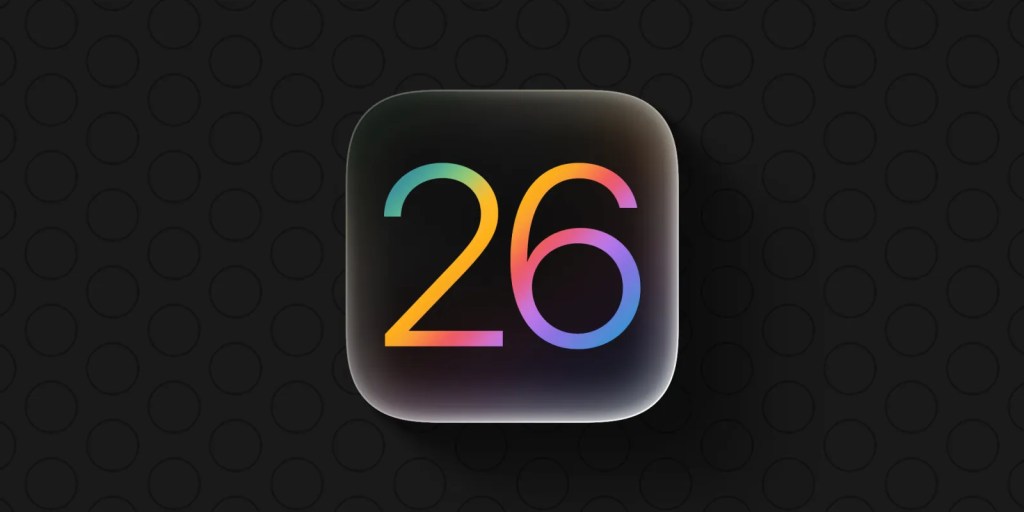
But it’s not just your iPhone getting this naming glow-up. The change will ripple across the entire Apple ecosystem. iPadOS 26. MacOS 26. Even the just-barely-launched VisionOS 2 for Apple Vision Pro will jump to, you guessed it, VisionOS 26. It’s a clean sweep of the number slate, and it’s all part of a broader push to unify Apple’s user interfaces across devices.

Apple’s plan? A fully synchronized experience from phone to tablet to desktop to mixed reality headset. Think of it as the digital equivalent of rearranging the entire house so that every room looks like it came from the same design magazine. Gurman says we’re going to see rounder bubble-like icons, updated app designs, and a more cohesive feel across platforms. If you’ve been living comfortably within your iPhone or Mac’s familiar UI layout, this could feel a bit like walking into your home after someone remodeled it without asking.
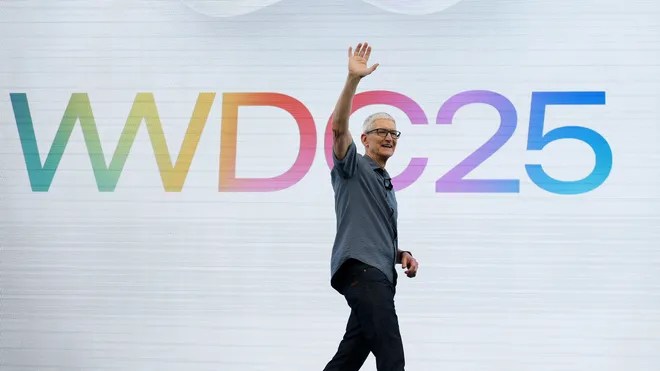
The company is expected to officially unveil this dramatic shift at WWDC 2025 on June 9. Until then, speculation is flying.
One of the more exciting angles to this move is what it could mean for the iPad. Despite its beefy hardware, especially with the newest iPad Pros and the revamped Magic Keyboard, the iPad still suffers from a painfully limited multitasking experience. If Apple is serious about making its devices more unified, then giving the iPad a Mac-style workflow would be a huge win for users who’ve long wanted to ditch the laptop without sacrificing real productivity. Maybe this time, we’ll finally get full freedom to place apps wherever we want, not just within pre-designed stage managers and multitask views.
As radical as it sounds, this isn’t without precedent. Samsung made a similar leap in 2020, aligning its Galaxy phone names with the year, that’s why we’re on the Galaxy S25, with S26 arriving next year. Apple, of course, is adding its own twist by jumping a year ahead. Like car manufacturers naming a 2025 vehicle as a 2026 model, Apple is betting on future-forward branding to give its software an air of longevity.
Still, the new naming could trip up casual users. If you don’t know the inside baseball, hearing about iOS 26 in 2025 might feel like you missed a decade’s worth of updates.
And beyond the names and the bubble icons, there’s more brewing. Gurman hints at new AI and translation tools coming down the pipeline. AirPods could soon support real-time translation, and Apple may open its ecosystem to big AI players like OpenAI and Anthropic. That means more third-party AI brains powering your Apple experience, possibly bridging the gap between Siri and the more advanced assistants already making headlines.
The unanswered question is how this software shift will affect the hardware. The fall release of the iPhone 17 will be our first real taste. Rumors point to a chunkier iPhone 17 Pro Max and a feather-light iPhone 17 Air, perfect testbeds for a software experience that Apple is clearly trying to redefine.
One thing’s for sure: Apple’s cooking up something big. We’ll just have to wait a few more weeks to see if it’s a feast or a mess.



 OnlineFuss
Leave a comment