
Ryan Coogler’s untitled vampire feature—his first post-Wakanda Forever project—emerges as both a vibrant tonal experiment and a chaotic swirl of genre ambition. While it never quite finds stable footing, what it does offer is a cinematic frenzy so alive with thematic weight and cultural energy that even in its messiness, it still captivates. The film bursts at the seams with ideas—some half-formed, others emotionally explosive—and refuses to be confined to a single register, weaving horror, history, and heart with almost reckless abandon.
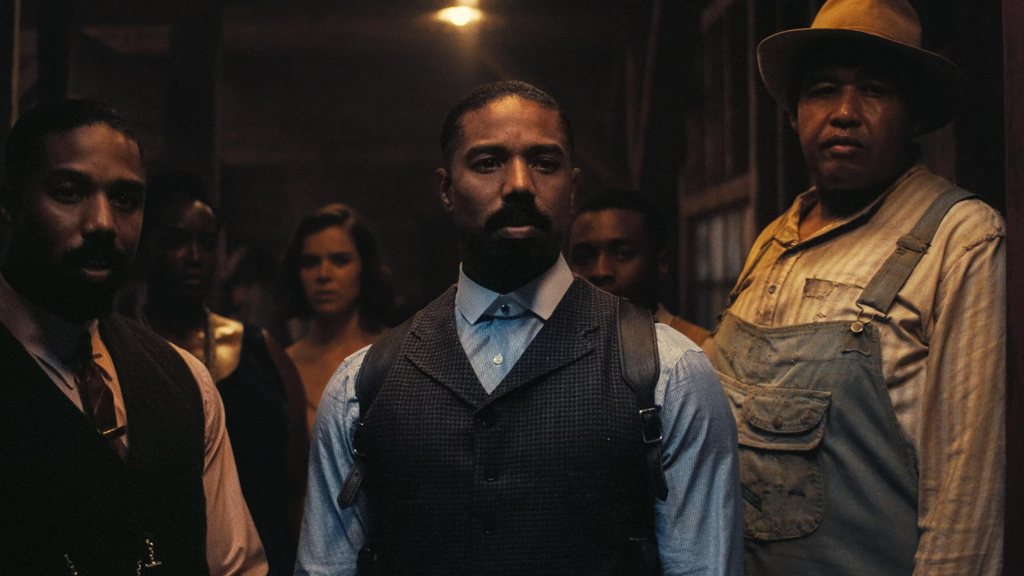
At its center is Sammie, a preacher’s son and gifted Blues guitarist whose very presence electrifies the screen. Sammie isn’t just a character—he’s the film’s soul, a spiritual conductor through whom Coogler channels everything from African folklore to the complex history of Black identity in America. Through Sammie, Coogler confronts decimated Black families, the resilience of Black freedom, the sanctity of Black-owned spaces, and the ancestral threads that bind generations together. He even folds in music’s uncanny ability to time-travel, to translate trauma into transcendence. In one of the film’s most astonishing sequences, Sammie performs at a juke joint packed with sharecroppers and misfits, his voice howling through layers of history. Coogler’s camera responds like it’s caught in a spell—swirling through a surreal vision of African drummers, Afrofuturist guitar gods, and Chinese dancers. It’s an ecstatic whirlwind that blurs the line between celebration and séance, tapping into the borderless, border-defying spirit of diasporic creativity.
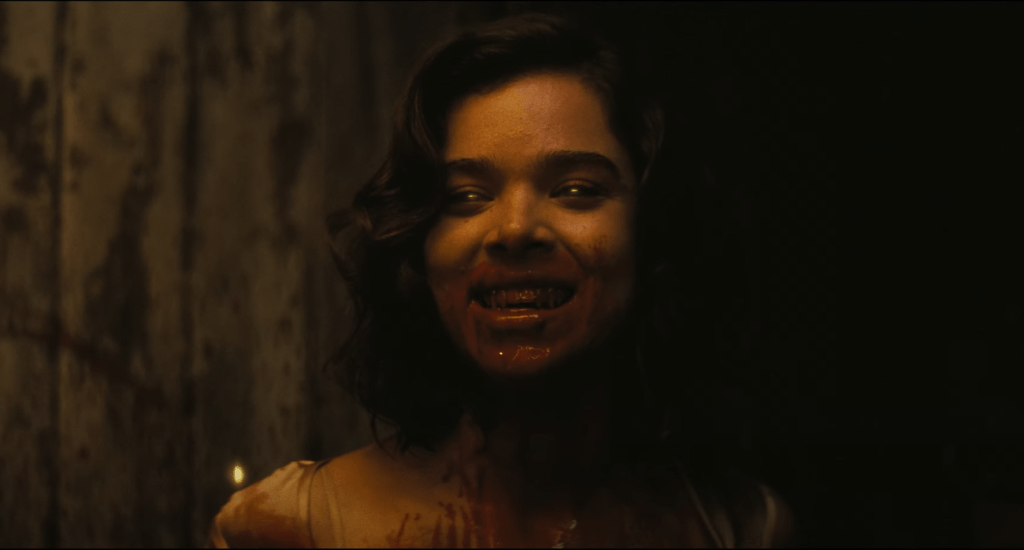
And yet, the vampire plotline looms—always slightly awkward, always threatening to pull the film back to Earth. The final showdown, a nightmarish ballet of blood and rhythm, begins when three white vampires—dressed like misplaced troubadours and crooning Irish folk songs—arrive at the juke joint. Their presence is jarring, and intentionally so. When they request entry, they’re met with unease from Smoke and Stack, who run the joint and act as de facto protectors of the space. Without giving too much away, the vampires’ eventual access serves as an unmistakable metaphor: a cautionary tale about whiteness invading sacred Black cultural spaces. What follows is a frenzied, gory explosion—complete with Ludwig Göransson’s score plunging from bluesy twang to roaring metal, and an expanded aspect ratio that practically demands your attention as blood saturates the frame. It’s thrilling and visceral, even if it doesn’t say anything particularly new about vampires, the South, or the genre at large. Think Queen of the Damned meets From Dusk Till Dawn with a dash of Get Out’s social paranoia.
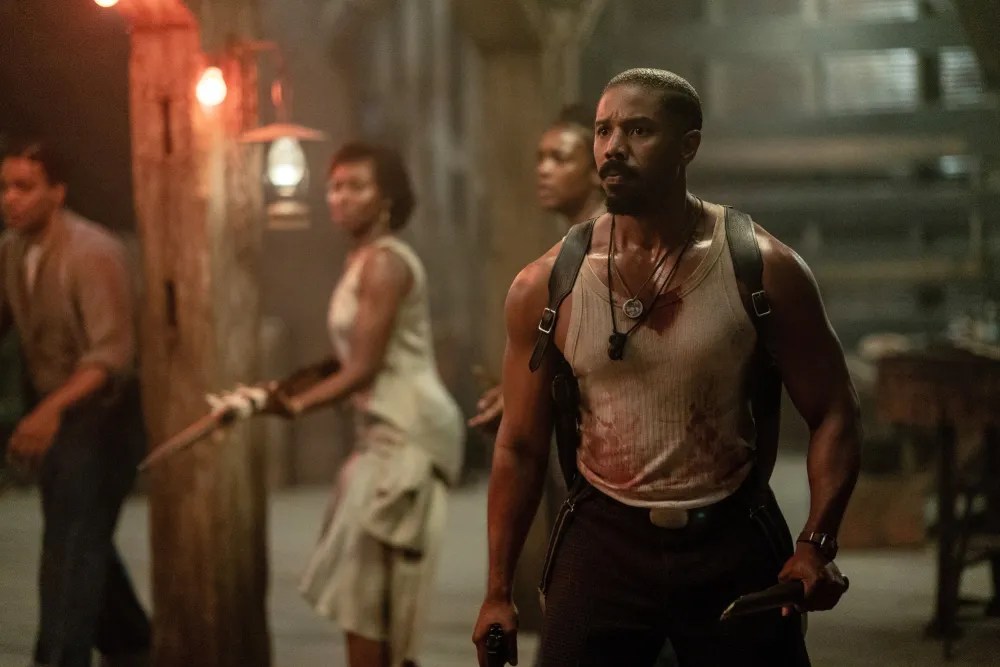
But for all its moments of brilliance, the film struggles with coherence—especially when it comes to narrative focus. Who is this story really about? Smoke and Stack, with their bruised camaraderie and stoic front, often feel like leads. But then Sammie’s mysticism takes center stage. By the time we reach the film’s triple-ending—complete with a climactic Rambo-esque action sequence for Michael B. Jordan, a closure scene for Sammie, and a feel-good outro to soothe the audience—Coogler seems to lose his grip on the emotional throughline. The need to tie up every arc starts to undercut the film’s wilder, more spiritual momentum.
Still, it’s hard not to root for this movie’s ambition. Coogler may not have a clean landing, but he’s flying at altitudes few directors—especially Black directors—are ever allowed to reach. The film is messy, overstuffed, and occasionally disjointed, yes. But it’s also a defiant work of cultural assertion—a film that tries to do too much in an industry that so often asks Black artists to do far less. It might not be perfect, but it dares to imagine something beyond formula, and that kind of cinematic chaos deserves more than just a pass—it deserves recognition.




 OnlineFuss
Leave a comment