
Every year on April 1, the world collectively lets loose a little mischief. From harmless pranks to elaborate hoaxes, April Fools’ Day has become a staple of modern humor. Social media platforms flood with fake announcements, workplaces see playful antics, and even major companies get in on the fun. But where did this tradition come from? Why did humanity decide to dedicate a whole day to making each other look silly?

A Mystery Wrapped in Folklore
Despite its long-standing tradition, the true origins of April Fools’ Day remain unclear. Some historians trace its roots back to ancient Rome, while others believe it was a medieval invention. The first concrete reference to the holiday appears in a 1561 Flemish poem by Eduard De Dene, in which a nobleman sends his servant on absurd “fool’s errands” on April 1. This suggests that the tradition was already well-established by the 16th century.
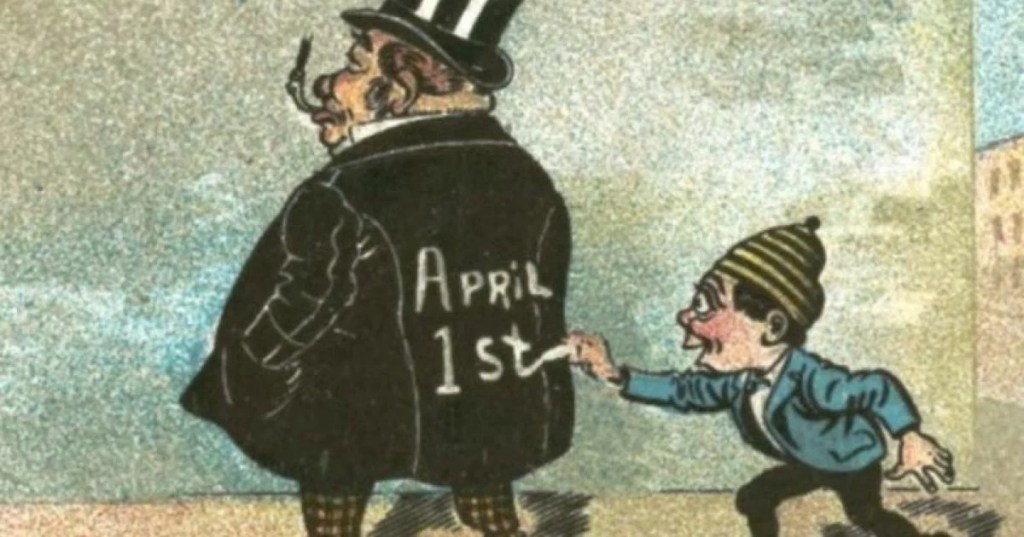
One of the most widely accepted theories links April Fools’ Day to the calendar reform of the 1500s. Before the Gregorian calendar was adopted, many European countries celebrated the new year in late March, culminating in festivities that ended on April 1. However, in 1564, France officially changed its calendar, making January 1 the start of the new year. According to legend, those who continued to celebrate in March and April were mocked as “April fools.” Early pranks included sending them on pointless tasks or giving them joke gifts.
France isn’t the only country with historical ties to April foolishness. A 1508 French poem by Eloy d’Amerval refers to “poisson d’avril” (April fish), a term still used in France today for April Fools’ jokes. Meanwhile, in Britain, a 1686 reference by John Aubrey called it “Fooles holy day.” By 1698, Londoners were tricking people into going to the Tower of London to witness a nonexistent “lion washing” event. Clearly, pranking on April 1 has been around for centuries.
The Chaucer Controversy
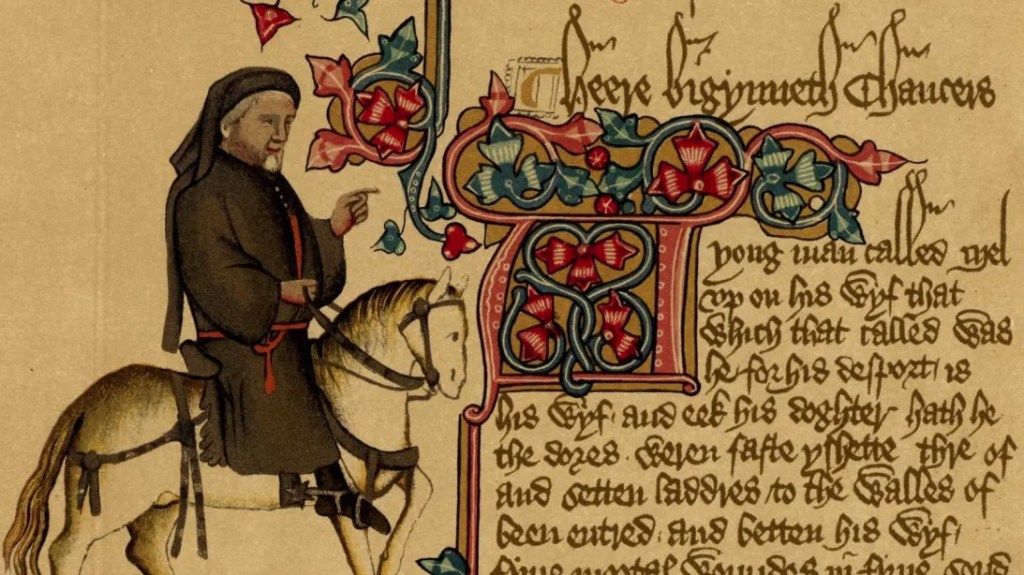
Some historians speculate that Geoffrey Chaucer may have made an early reference to April 1 as a day of deception in The Canterbury Tales (1392). In the “Nun’s Priest’s Tale,” a fox tricks the vain rooster, Chauntecleer, on “Syn March bigan thritty dayes and two”—potentially meaning April 1. However, this interpretation is debated, as scholars believe the phrase was a scribal error and actually referred to May 2. Regardless, Chaucer’s tale does align with the trickster spirit of April Fools’ Day.
April Fools’ Day Across the World
While the day has evolved, the spirit of the tradition remains strong worldwide. France still embraces the “poisson d’avril” custom, where children stick paper fish onto unsuspecting people’s backs. Scotland, too, has a rich history with the holiday, once calling it “Huntigowk Day,” where “gowks” (fools) were sent on wild goose chases.
In modern times, companies and media outlets have taken April Fools’ Day to new heights. Pranks range from Dunkin’ pretending to change its name to “Donuts’” to Chris Pratt jokingly announcing he’d be the new voice of Mickey Mouse. Even governments have joined in—like when the BBC in 1957 convinced viewers that spaghetti grew on trees in Switzerland.
The Unwritten Rules of April Fools’ Day
While April 1 is a day of jokes, there are traditions that have shaped how pranks should be played. The golden rule? No harm, no foul. April Fools’ pranks should be lighthearted, harmless, and ultimately amusing for both the prankster and the victim. Spreading misinformation is part of the fun, but dangerous hoaxes that cause panic cross the line.
Interestingly, in many English-speaking countries, pranking is only considered fair game until noon. Anyone attempting a joke after that becomes the fool themselves. This rule dates back to at least the mid-19th century, where it was commonly enforced in British schools with taunting rhymes like:
“April fool’s gone past, you’re the biggest fool at last.”
Companies even follow this unwritten rule, often revealing their pranks by midday to stay within tradition.
The Timeless Appeal of Foolery
Despite centuries of uncertainty about its origins, April Fools’ Day continues to thrive. Whether it started due to calendar confusion, medieval poetry, or even ancient Roman festivals, one thing is clear—people love a good joke. The day reminds us to embrace humor, take ourselves a little less seriously, and enjoy the occasional prank. So, as April 1 rolls around again, be on guard. That “urgent” email from your boss might just be a prank. That breaking news headline might be fake. And if someone tells you the Lions are being washed at the Tower of London, well, you’ve just been fooled.



 OnlineFuss
Leave a comment