
The Global Data Center industry is at a crossroads, experiencing unprecedented growth driven by Cloud Computing, Artificial Intelligence (AI), and an insatiable demand for Digital Services.
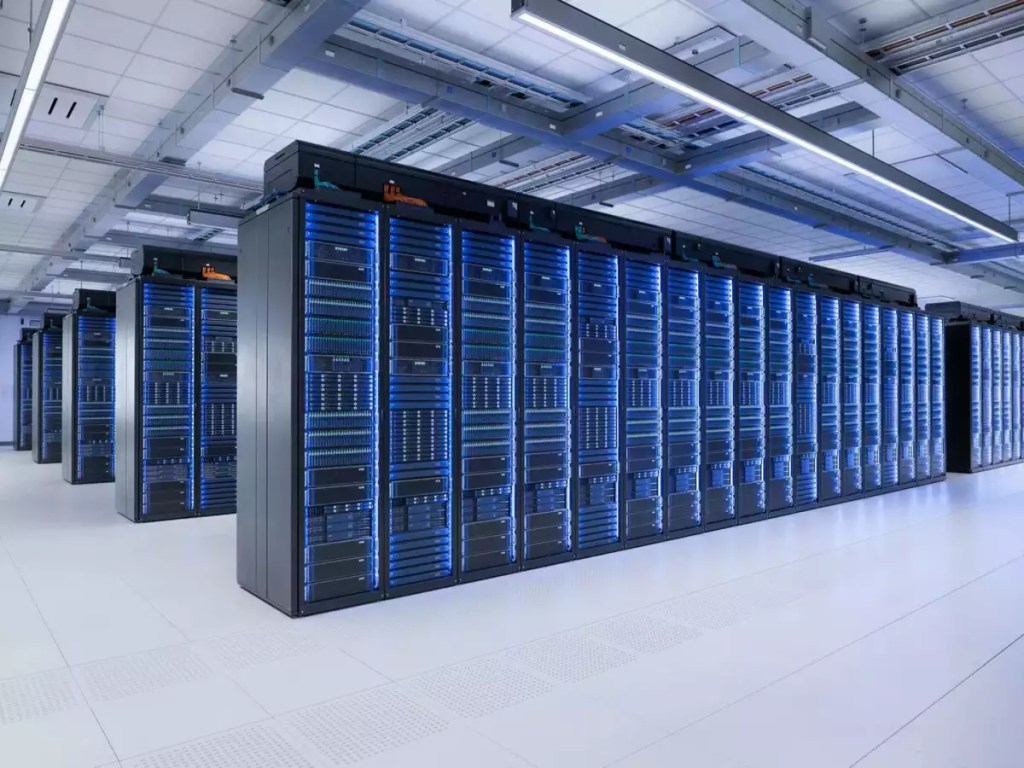
With hyperscale data centers dominating the market, businesses are scrambling to keep up with evolving Technology, Sustainability Concerns, and Supply Chain disruptions. As we move into 2025, key trends are shaping the future of data centers, presenting both opportunities and challenges for industry players worldwide.
The Driving Forces Behind Data Center and Hyperscaler Growth
The rapid growth of hyperscale data centers is a direct response to the increasing reliance on cloud-based services, AI processing, and data-intensive applications.

According to PwC, hyperscale data centers will account for nearly 50% of all data center capacity worldwide by 2026. These massive facilities, operated by tech giants like Amazon, Google, and Microsoft, are designed to handle extensive workloads efficiently, offering scalability and resilience to businesses shifting towards digital-first models.
A report from CBRE highlights that global data center demand reached record levels in 2023, with leasing activity and new developments at an all-time high. This growth is largely fueled by enterprise cloud adoption and the expansion of AI-powered solutions requiring high-performance computing infrastructure.
Key Trends Shaping the Future of Data Centers
1. AI and Machine Learning Integration
Hyperscale data centers are now at the forefront of AI-driven workloads. AI and machine learning applications demand extensive computational power, pushing hyperscalers to invest in more efficient architectures and liquid cooling technologies to manage the heat generated by high-performance AI chips.
2. Sustainability and Green Initiatives
With data centers projected to double their energy consumption by 2030, sustainability is no longer an option—it’s a necessity. Companies are increasingly looking at renewable energy sources, such as solar and wind power, to run their facilities. Data Center Knowledge reports that hyperscalers are investing heavily in carbon-neutral solutions, with many committing to net-zero emissions in the coming years.
3. Edge Computing and Distributed Infrastructure
While hyperscalers dominate the large-scale market, edge computing is becoming a crucial component in handling latency-sensitive applications. Edge data centers allow businesses to process data closer to the source, reducing reliance on centralized cloud services and improving efficiency.
4. Data Center Security and Compliance
As cyber threats become more sophisticated, data center security is a top priority. The rise of AI-driven cyberattacks and stricter regulations in different regions require data centers to adopt advanced security frameworks, including zero-trust architecture and enhanced encryption methods.
Challenges in the Hyperscaler Data Center Market
Despite the growth, the industry faces significant hurdles that could impact expansion and operations.
1. Supply Chain Disruptions
The RSM US Real Economy report reveals that supply chain bottlenecks have slowed down data center construction, particularly in sourcing critical components like semiconductors and cooling equipment. Delays in procurement and shipping logistics continue to challenge hyperscaler expansion.
2. Land and Power Constraints
Finding suitable land for data center development has become increasingly difficult, especially in regions with high real estate costs. Moreover, power consumption is a growing concern, with hyperscale facilities requiring vast amounts of electricity to operate efficiently.
3. Regulatory Compliance and Geopolitical Risks
Governments worldwide are implementing stricter data regulations, impacting how hyperscalers store and process data. The rise of data sovereignty laws means companies must navigate a complex web of compliance requirements across different regions.
Opportunities for Growth and Innovation
Despite these challenges, the future of data centers remains promising. Hyperscalers are actively innovating in key areas to overcome obstacles and enhance operational efficiency.
1. Renewable Energy Adoption
Tech giants are investing in green energy solutions, including power purchase agreements (PPAs) with solar and wind farms. Microsoft and Google have committed to running their data centers entirely on renewable energy by 2030, setting a precedent for the industry.
2. Modular and Prefabricated Data Centers
Prefabricated and modular data centers are gaining traction as a faster and more efficient way to scale operations. These facilities can be deployed in record time, addressing supply chain delays and space limitations.
3. AI-Driven Operational Efficiency
Hyperscalers are leveraging AI to optimize power usage, predict hardware failures, and automate cooling systems, reducing overall energy consumption and improving sustainability.
The Road to 2025: Philippines Cloud & Datacenter Convention
With Asia-Pacific emerging as a hotspot for data center investment, the Philippines is positioning itself as a key player in the industry. The upcoming Philippines Cloud & Datacenter Convention 2025 will bring together industry leaders, hyperscaler executives, and technology innovators to discuss the future of cloud computing and data center infrastructure in the region.
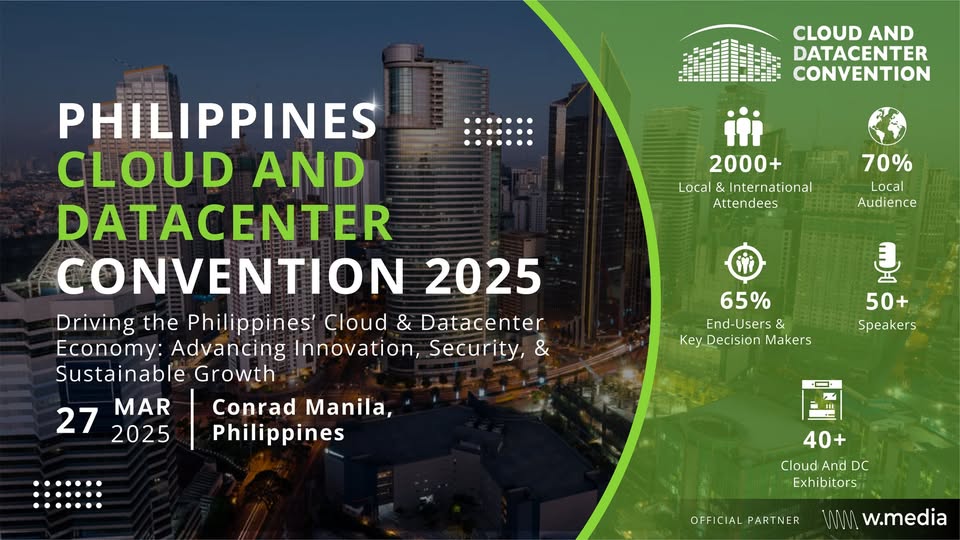
This event will cover topics such as AI integration, green data center strategies, and advancements in edge computing, providing a platform for networking and collaboration. As hyperscalers and enterprise cloud providers expand their presence in Southeast Asia, the convention will serve as a critical hub for industry insights and business opportunities.
For those looking to stay ahead in the data center and cloud computing revolution, attending the Philippines Cloud & Datacenter Convention 2025 is a must. Be part of the conversation that will shape the future of digital infrastructure. Check this link for more details.



 OnlineFuss
Leave a comment