
The Mobile World Congress (MWC) 2025 has officially wrapped up in Barcelona, leaving tech enthusiasts with plenty to be excited about. This year’s event highlighted innovative technology, from AI advancements and futuristic mobile devices to solar-powered laptops, all set to shape the future of mobile and computing.
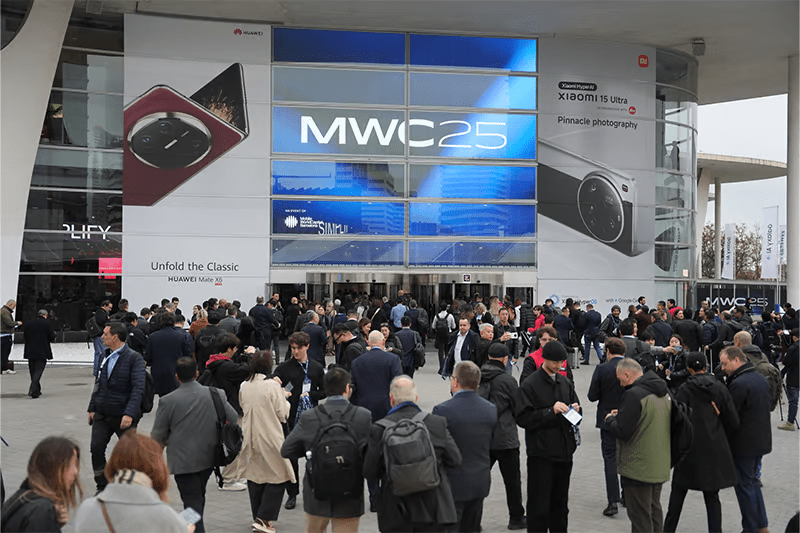
If you’re wondering what’s next in the world of smartphones, gaming, and AI-driven experiences, here’s a deep dive into the most exciting announcements from MWC 2025.
3D Gaming Without Glasses: RedMagic Gaming Laptop 3D
One of the biggest showstoppers was the RedMagic Gaming Laptop 3D, a device that delivers a true 3D gaming experience without requiring special glasses.
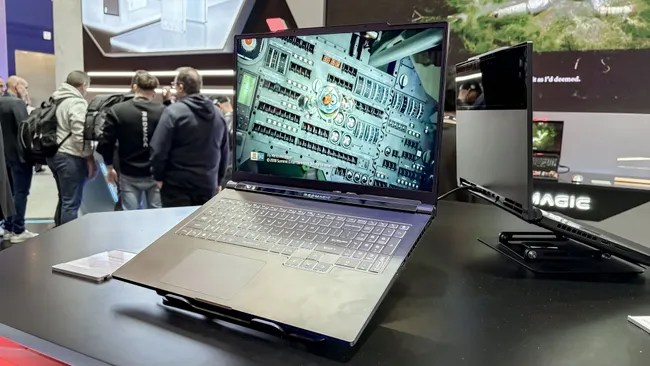
This is achieved through two high-speed cameras that track eye movement at 90 times per second, dynamically adjusting the visuals to create a stereoscopic 3D effect. The laptop uses a 4K panel capable of producing separate images for each eye, allowing for seamless depth perception. Gamers will be happy to know that the refresh rate remains high, ensuring smooth performance without eye strain.
The Battery Revolution: 10,000mAh Targets
Battery technology is finally making strides. Realme unveiled its three-year roadmap toward a 10,000mAh smartphone battery, promising massive improvements in battery longevity.

Currently, the company’s flagship models already boast 6,000mAh cells, doubling the battery life of premium competitors like Apple and Samsung.
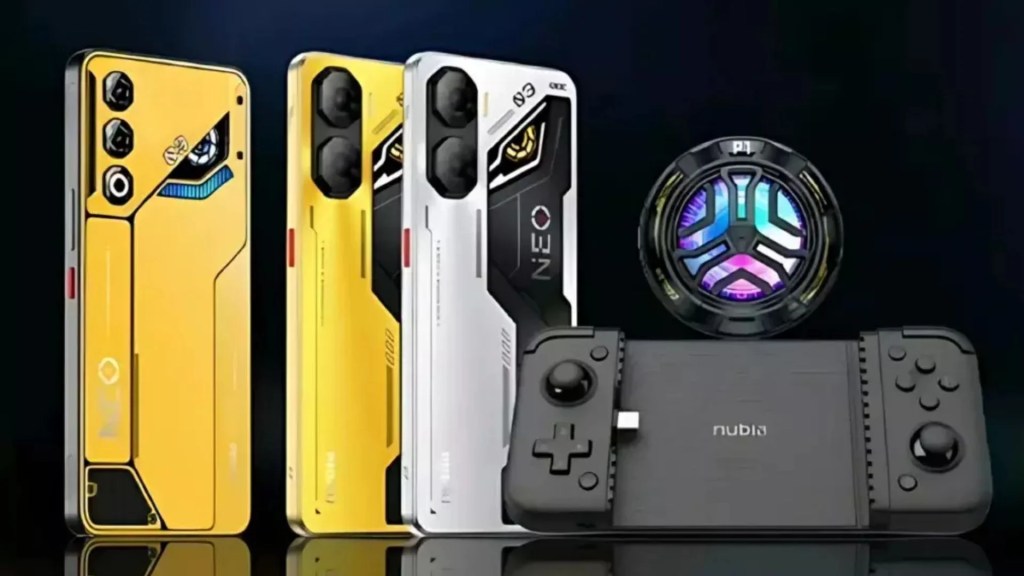
Meanwhile, Nubia’s Neo 3 and Neo 3 GT cater specifically to gamers with RGB lighting, shoulder triggers, and 120Hz OLED screens—perfect for high-intensity mobile gaming sessions.
Conversational AI on Your Phone
AI-driven assistance is taking center stage, with Google’s Gemini Live pushing boundaries in how users interact with their phones. A standout feature, Share Screen With Live, enables Gemini to analyze real-time content on a user’s screen and provide contextual feedback. Whether it’s suggesting outfit combinations from a photo or guiding pottery glazing choices, the technology hints at an era where AI is integrated deeply into daily tasks.

Meanwhile, Deutsche Telekom revealed a futuristic smartphone concept that ditches traditional apps in favor of a fully AI-driven interface. The unnamed device will initially run on Perplexity AI, with future integrations including Google Cloud AI, ElevenLabs, and Picsart for an all-encompassing AI experience.
Smartphone Lenses Go Professional
Phone photography is getting serious upgrades. Realme’s concept phone introduces a physical connector for full-frame mirrorless lenses, allowing for DSLR-quality shots.
On the other hand, Xiaomi went for a magnetic approach, unveiling a proprietary lens attachment that enhances mobile photography without bulky adapters. These innovations could redefine smartphone photography, making professional-grade cameras more accessible than ever.
Next-Gen Screens: Folding, Stretching, and Trifolding Displays
Samsung continues to dominate display technology, showing off radical new form factors at MWC 2025:


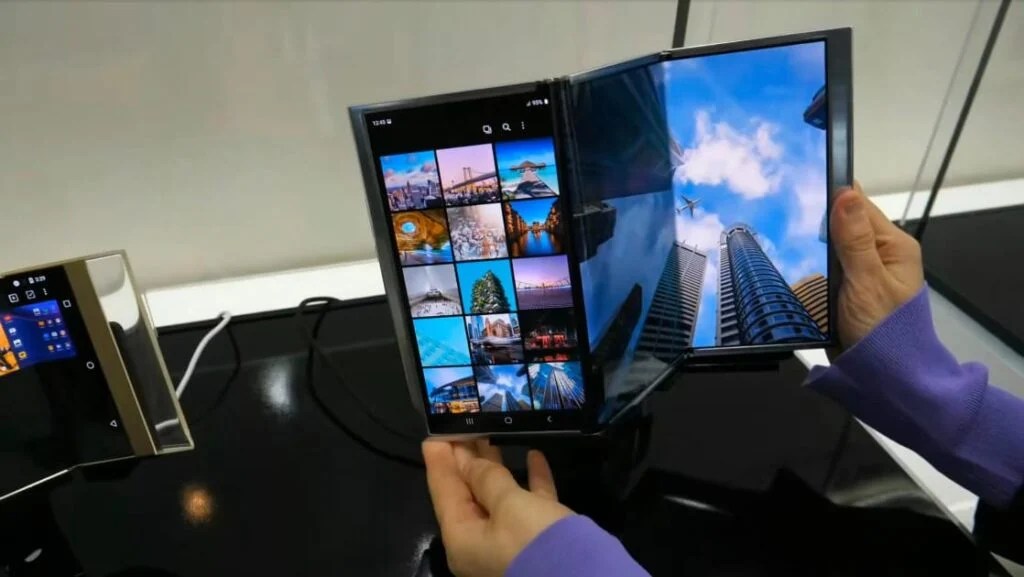


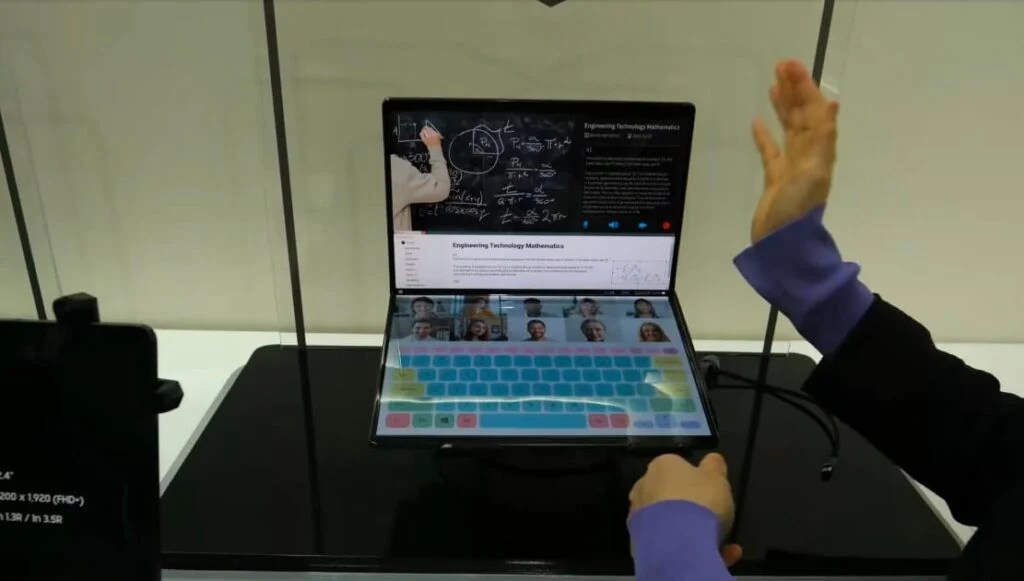
- Flex G: A trifold tablet that vertically folds into three sections.
- Flex S: A screen with an S-shaped bend for a unique folding experience.
- Pocketable Gaming Device: Resembling a Nintendo Switch, this device folds in half, making it ultra-portable.
- Stretchable Display: Designed for immersive experiences, this display expands outward as an object (such as a soccer ball) moves toward the viewer.
- 18-Inch Foldable Briefcase Display: A portable spy-movie-style display that folds into a compact briefcase form.
Concept Computers: Lenovo’s Big Play

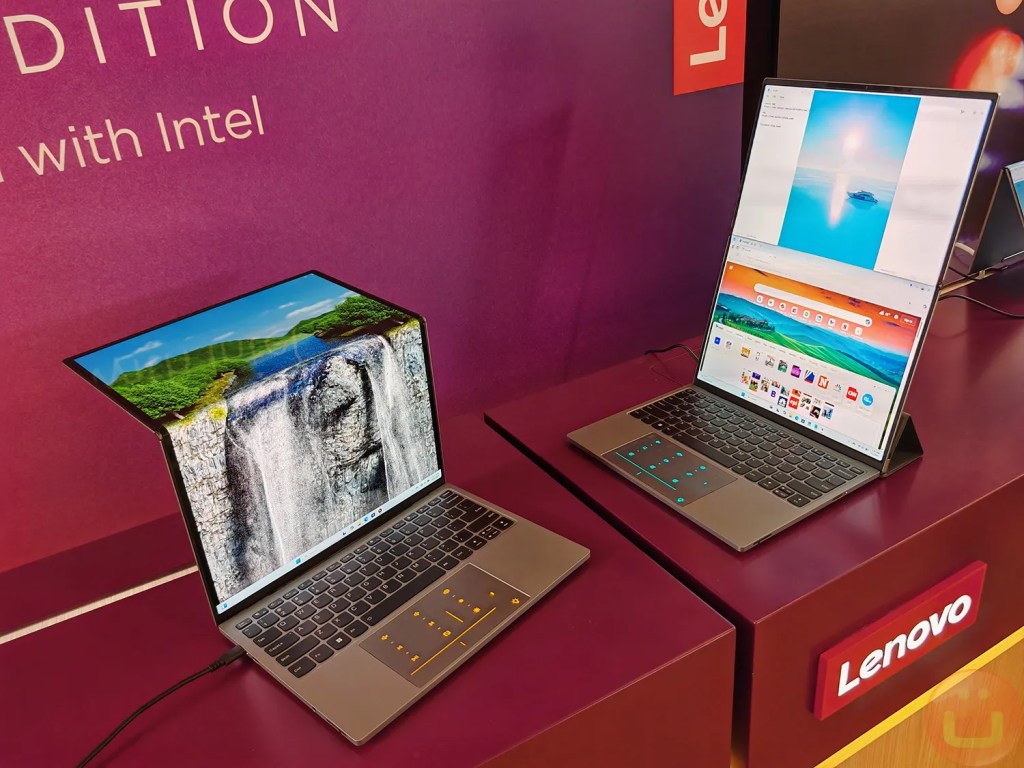
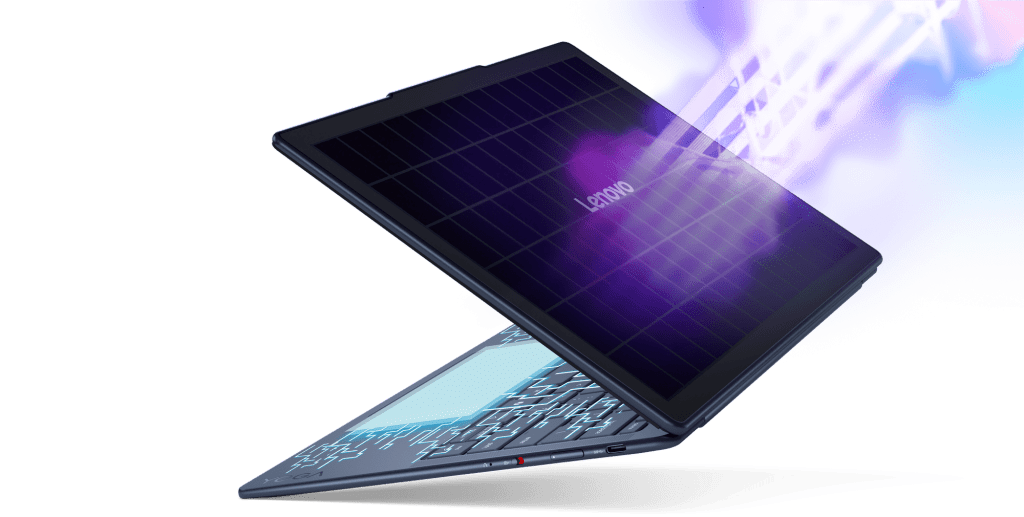
Lenovo brought several innovative laptops to the show:
- ThinkBook 16p: Features the Magic Bay modular connector, allowing users to attach additional screens, including a glasses-free 3D module.
- ThinkBook Flip AI PC: Transforms from a dual-screen laptop into an elongated vertical screen, pushing the limits of convertible design.
- Yoga Solar PC: Integrates 84 solar cells into its lid to convert sunlight into usable energy, making it a step toward sustainable computing.
Samsung’s AI-Powered Budget Phones
Samsung introduced AI features to its affordable Galaxy A26 ($299) and Galaxy A36 ($399) models. These devices now include:
- Circle to Search: A gesture-based search function powered by Google.
- Best Face: AI-enhanced photography that ensures everyone in a group shot looks their best.
Additionally, the Galaxy A56 ($499) aims to challenge Apple’s upcoming iPhone 16e, offering premium features at a mid-range price.
Photography Meets AI: Xiaomi 15 Ultra
Xiaomi’s 15 Ultra is a powerhouse for mobile photography, featuring a Leica co-developed quad-camera system with a 200MP periscope lens. AI-driven enhancements include automatic image adjustments, voice search, real-time translation, and advanced photo editing tools. Priced at $1,300, it is expected to launch first in China before expanding globally.
TCL 60 XE Nxtpaper: A Paper-Like Display
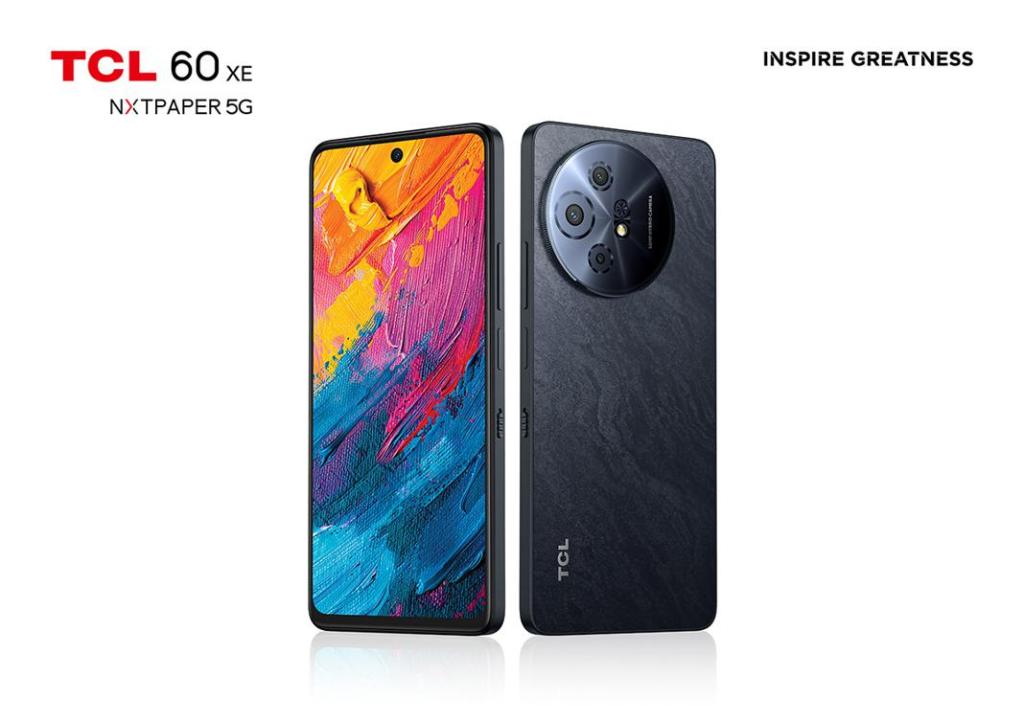
For those who prefer a more natural screen experience, the TCL 60 XE Nxtpaper offers a matte, paper-like display. A specialized monochrome mode reduces eye strain, making it an ideal device for extended reading and note-taking. The phone is launching in Canada first, with a $225 price tag.
Smart Glasses & XR Headsets

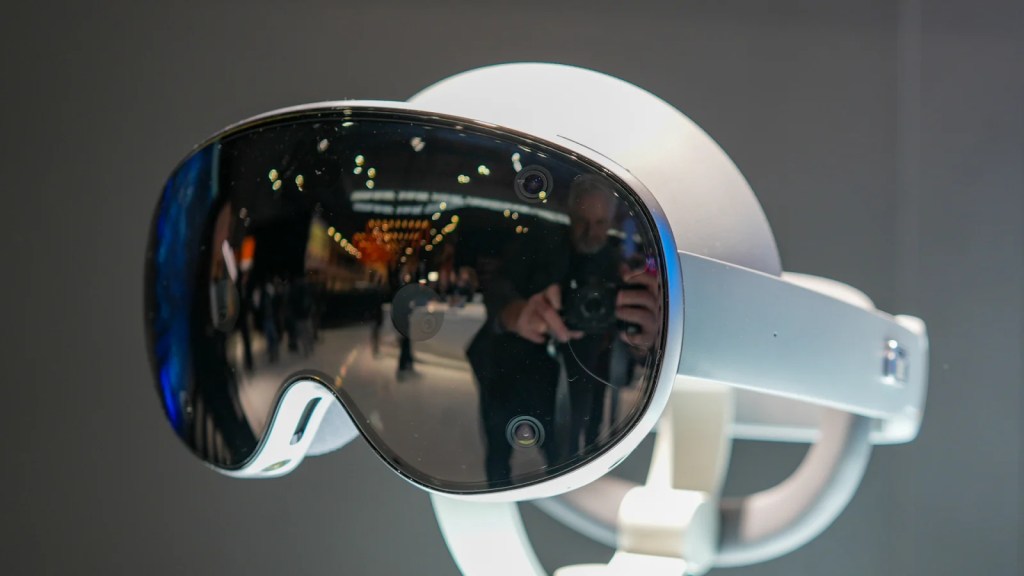
- TCL RayNeo X3 Pro: Looks like regular glasses but supports video recording, music playback, and navigation assistance.
- BleeqUp Ranger Glasses: Primarily designed for cyclists, featuring walkie-talkie functions, video recording, and audio playback.
- Samsung Project Moohan XR Headset: Samsung’s answer to the Apple Vision Pro, though details remain scarce.
EVs & Robotics: The Unexpected Stars

- Xiaomi SU7 Ultra EV: A striking electric supercar that accelerates from 0 to 100 km/h in 1.97 seconds, reaching top speeds of 350 km/h.
- Etisalat Humanoid Robot: An AI-powered robot that can observe and react to its surroundings.
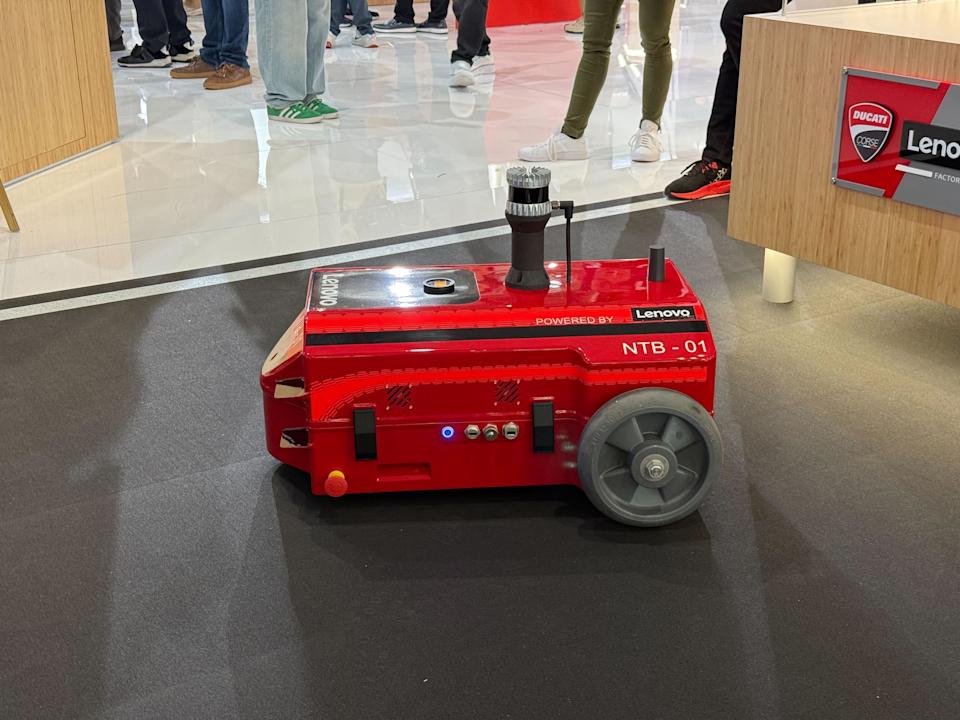
- Ducati AI Robot: A high-speed autonomous racing robot capable of reaching over 200 mph, designed to assist in data collection for Ducati’s superbike team.
MWC 2025 showcased the future of mobile and AI-driven technology, pushing boundaries in smartphone design, gaming, computing, and even automotive innovation. Whether it’s AI-integrated devices, massive battery improvements, futuristic displays, or 3D gaming, this year’s event gave us a glimpse into the cutting-edge tech that will shape the market in the coming years.



 OnlineFuss
Leave a comment