
In recent weeks, reports have surfaced of an increase in cases of human metapneumovirus (HMPV) in China, raising questions and concerns about the virus’s impact and whether we should brace ourselves for another global health crisis. Here’s everything you need to know about HMPV, what experts are saying, and why staying informed matters.

Understanding HMPV
HMPV was first identified in 2001 and is a respiratory virus belonging to the same family as respiratory syncytial virus (RSV) and parainfluenza viruses. It primarily affects the respiratory tract and is most commonly seen in young children, the elderly, and individuals with compromised immune systems. Symptoms can range from mild to severe, including:
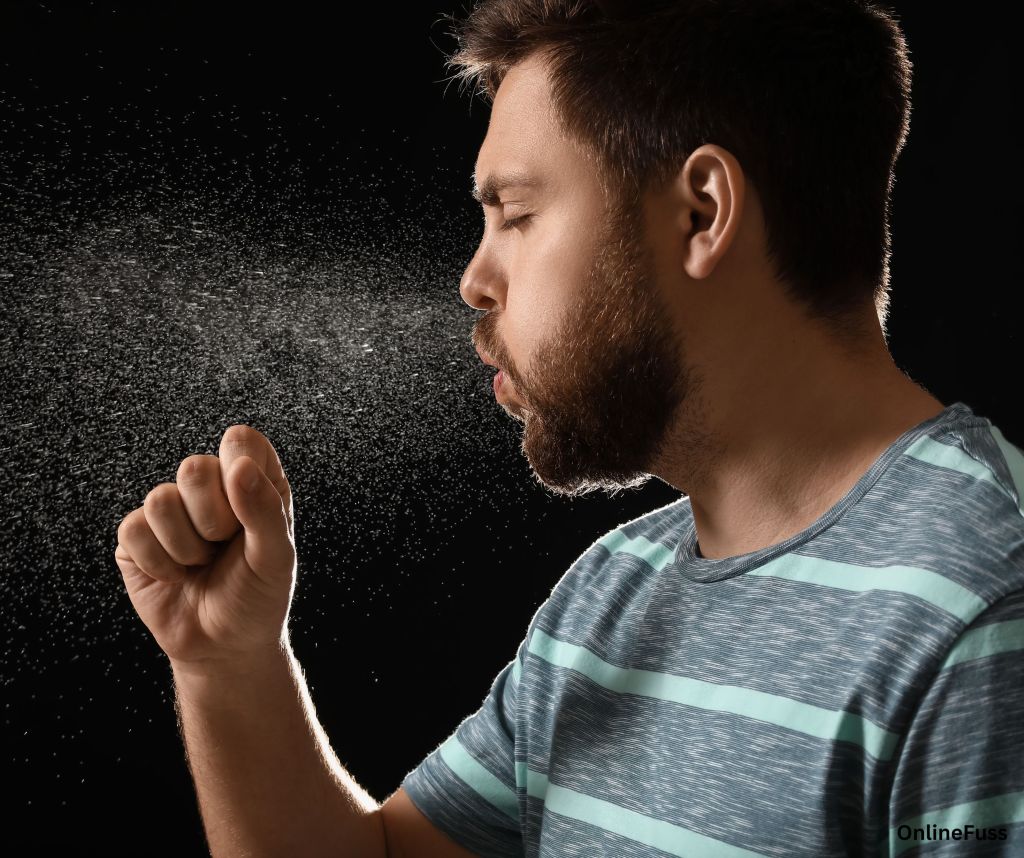
- Coughing
- Fever
- Nasal congestion
- Shortness of breath
In severe cases, HMPV can lead to bronchitis, pneumonia, or complications requiring hospitalization. While it’s not a new virus, its symptoms often overlap with other respiratory illnesses, making it harder to diagnose without specific tests.
Are Cases Surging in China?
Recent reports suggest a noticeable rise in HMPV cases across parts of China, coinciding with the winter season when respiratory illnesses typically spike. Health authorities in China have observed an uptick in hospitalizations related to respiratory infections, with HMPV being identified as one of the contributing factors.
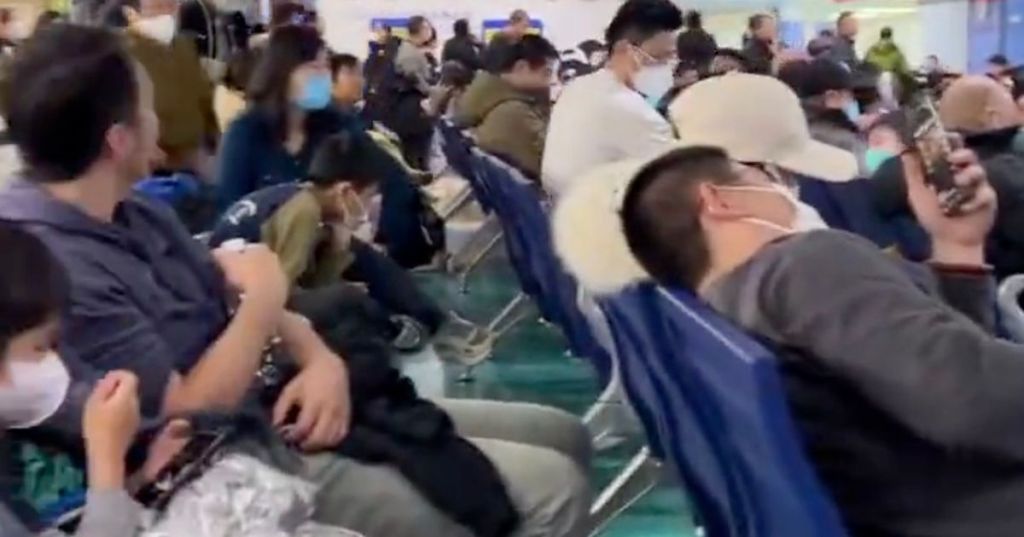
Experts emphasize that while the increase in cases may seem alarming, it’s essential to view this within the broader context of seasonal respiratory viruses. Pediatricians note that HMPV is not a “mysterious” virus and is something seen annually, particularly in colder months.
Should We Be Concerned?
For most healthy individuals, HMPV causes mild to moderate illness, similar to a common cold. However, the virus can pose a significant risk to vulnerable populations, such as:
- Infants and young children
- Elderly individuals
- People with chronic health conditions or weakened immune systems
Preventative measures like good hand hygiene, wearing masks in crowded spaces, and staying home when symptomatic can help mitigate the spread of HMPV, much like other respiratory viruses.
Expert Insights
Dr. Rachna Menon, a leading pediatrician, states, “HMPV is not a mysterious or new virus; it’s something we deal with every year. The recent attention is due to the higher-than-usual cases being reported in specific regions. However, there’s no need for widespread panic.”
She also highlighted the importance of vigilance and not conflating seasonal spikes with a larger health crisis. Many pediatricians in India and elsewhere have echoed similar sentiments, emphasizing that respiratory illnesses surge annually, particularly in winter.
What Can Be Done?
While there’s no specific antiviral treatment or vaccine for HMPV yet, supportive care can alleviate symptoms. Here’s what you can do to protect yourself and your loved ones:
- Maintain Good Hygiene: Regular handwashing and avoiding touching your face can reduce the risk of transmission.
- Avoid Crowded Places: Especially during peak respiratory virus seasons.
- Stay Informed: Follow updates from credible sources to understand the situation better.
- Seek Medical Attention for Severe Symptoms: If you or someone you know experiences difficulty breathing, persistent high fever, or other severe symptoms, consult a healthcare provider immediately.
Final Thoughts
While the surge in HMPV cases in China may have sparked concern, experts assure us that it’s a familiar virus with well-understood behavior. Vigilance, rather than panic, is the key. As with any respiratory illness, staying informed and practicing preventative measures can go a long way in ensuring public health safety.




 OnlineFuss
Leave a comment