
In a cinematic landscape where tension and psychological intrigue are often more complex than they seem, M. Night Shyamalan’s latest offering, Trap, attempts to weave together a story that is both personal and terrifying. With this movie, Shyamalan continues his tradition of threading family ties into his narratives, this time spotlighting his daughter Saleka’s music career under the persona of Lady Raven. But does Trap successfully ensnare its audience, or does it falter under the weight of its ambitions?
At the heart of Trap is a father-daughter relationship that is as much a driving force in the film’s narrative as it is in its creation. Cooper, played by Josh Hartnett, decides to reward his daughter Riley for her academic achievements with concert tickets to see pop sensation Lady Raven in Philadelphia.
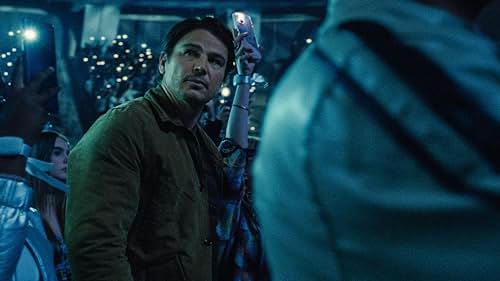
The night, however, takes a dark turn when Cooper discovers that the FBI plans to use the event to capture a notorious serial killer known as “The Butcher.” What follows is a tense cat-and-mouse game that tests Cooper’s resolve and forces him to confront some disturbing truths about himself.
The Shyamalan Family Affair
Shyamalan’s decision to center the film around his daughter’s musical alter ego adds a layer of authenticity to the movie’s portrayal of the pop culture phenomena that captivates its teenage characters.

The integration of Lady Raven into the story feels natural, largely due to Saleka’s genuine performance and the conceptual album she wrote specifically for the film. However, this familial connection also brings into question Shyamalan’s objectivity in crafting the narrative. While the music and performance scenes are undeniably engaging, they often feel like they’re part of a different movie altogether.
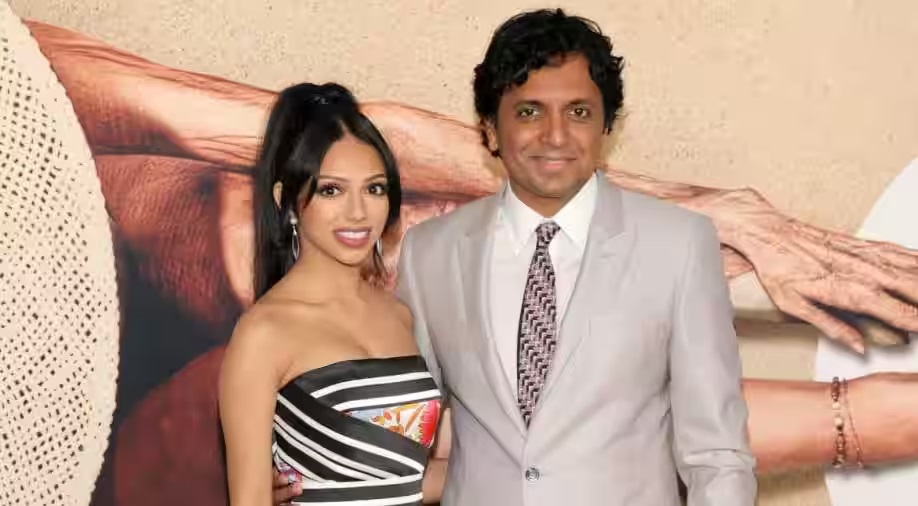
The parallels between Cooper’s relationship with Riley and Shyamalan’s with his own daughter give the film a personal touch, yet they also make it feel self-indulgent at times. This isn’t necessarily a bad thing, as it lends emotional depth to the story, but it does make you wonder if the movie might have been more cohesive with a bit more distance between the filmmaker and his material.
A Feast for the Eyes
Visually, Trap is stunning. Shyamalan enlisted cinematographer Sayombhu Mukdeeprom, known for his work on Call Me By Your Name, to craft a film that mimics the focal length of the human eye. Shot entirely on 35mm film with a 35mm lens, the movie creates an immersive, almost voyeuristic experience that puts the audience right in the middle of the action. This choice pays off, particularly in the concert scenes, where the chaos and excitement of the crowd are palpable.
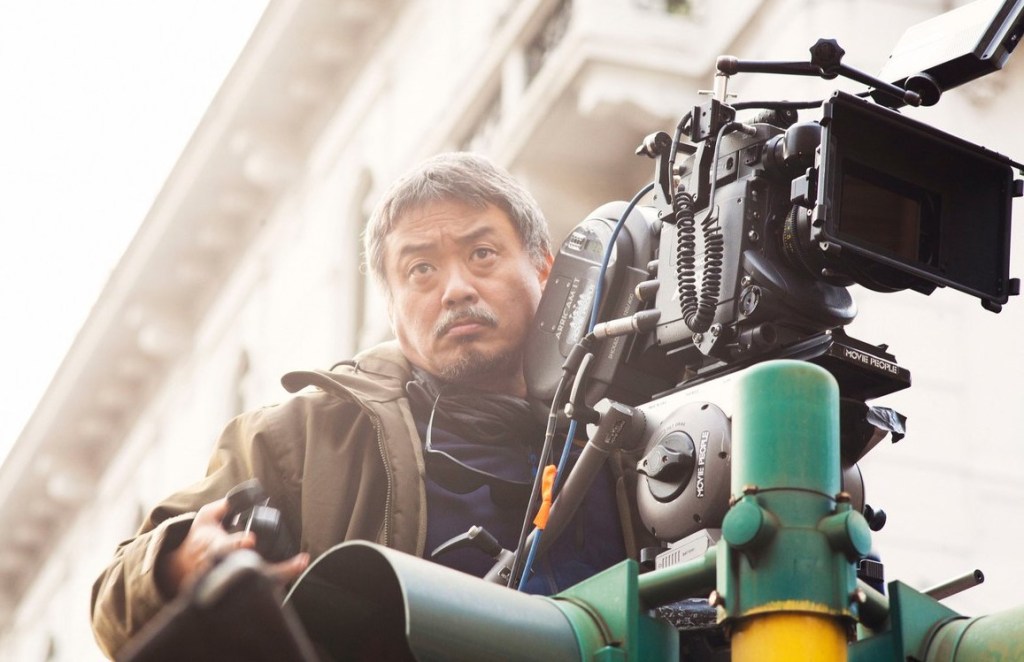
Mukdeeprom’s ability to create a partial experience aligns perfectly with the film’s themes of entrapment and paranoia. The camera work is tight and claustrophobic, often mirroring Cooper’s growing sense of dread as he realizes the danger he and his daughter are in. It’s this technical proficiency that elevates Trap above your typical thriller, making it a visual treat even when the story stumbles.
A Thrilling Concept, But Execution Falters
Despite its promising premise and stunning visuals, Trap is not without its flaws. The film’s PG-13 rating (15 in the UK) suggests that it was designed to attract a younger audience, possibly those still buzzing from recent concert experiences. However, this decision also hampers the movie’s ability to delve deeper into its darker themes. The portrayal of “The Butcher” as a serial killer is disappointingly shallow, with the movie glossing over the killer’s victimology and modus operandi. For a film that could have been a chilling exploration of criminal psychology, Trap instead settles for clichés and underdeveloped characters.
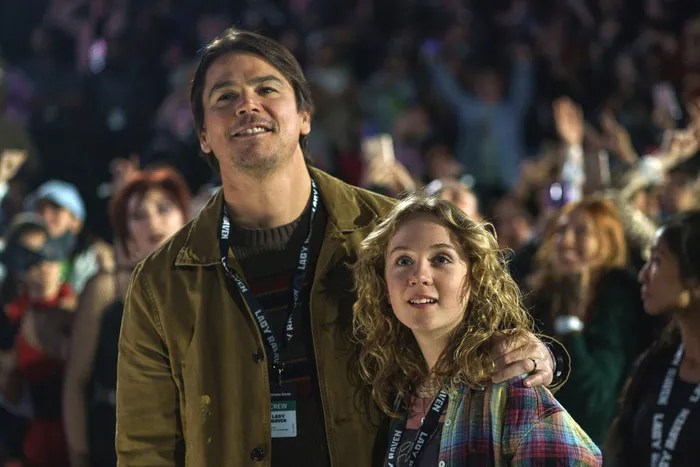
The film’s third act is where things really start to unravel. Plot holes and illogical character decisions begin to pile up, making it increasingly difficult to stay engaged. While Josh Hartnett delivers a commendable performance as Cooper, juggling the contradictions of being a loving father and a man capable of violence, even his efforts can’t fully save the movie from its narrative missteps. Shyamalan’s direction, though still capable of creating tension, feels more like he’s going through the motions rather than innovating.
Conclusion: Worth the Watch?
Trap is a mixed bag. It’s a film that dazzles with its visuals and keeps you on edge with its premise, but ultimately it doesn’t quite stick the landing. Shyamalan’s commitment to his craft is evident, and there are moments of brilliance that remind you why he’s a celebrated filmmaker. However, the film’s shortcomings, particularly in its third act and its underwhelming villain, prevent it from reaching the heights of Shyamalan’s best work. If you’re a fan of Shyamalan or enjoy psychological thrillers, Trap is worth a watch, but don’t expect it to be a masterpiece.
Rating: 3 out of 5 stars


 OnlineFuss
Leave a comment