
Imagine a world where a simple scan can reveal your risk of having a heart attack years before it happens. This is no longer a futuristic dream but a current reality, thanks to groundbreaking technology developed by Caristo Diagnostics, an Oxford University spinout company. This revolutionary AI model, hailed as “game changing” by scientists, has the potential to save countless lives by detecting hidden heart attack risks that traditional methods miss.
Unveiling the Invisible Threats
Heart attacks are often sudden and unexpected, leaving families devastated and communities shaken. The new AI technology aims to change this narrative by identifying inflammation in the heart—a crucial indicator of potential heart attacks—that does not show up on standard CT scans. These scans, which combine X-rays and computer technology, have been a staple in diagnosing heart issues, but they fall short in detecting the early, invisible signs of trouble.
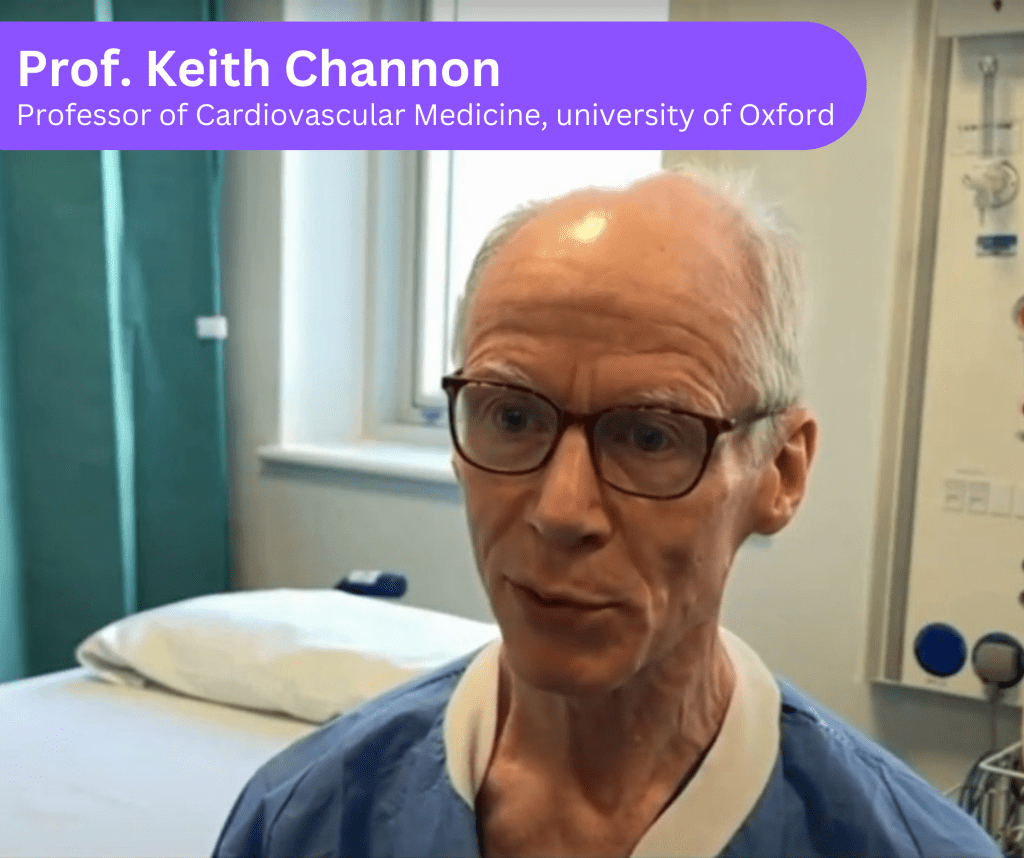
“This technology is transformative and game changing because, for the first time, we can detect the biological processes that are invisible to the human eye, which precede the development of narrowings and blockages within the heart,” says Prof. Keith Channon from the University of Oxford.
The Pilot Project and Its Promise
Supported by NHS England, a pilot project is currently underway at five hospital trusts across the UK: Oxford, Milton Keynes, Leicester, Liverpool, and Wolverhampton. The AI model, known as CaRi-Heart, analyzes routine CT scans of patients suffering from chest pain. The AI’s algorithm detects coronary inflammation and plaque, which is then verified by trained operators for accuracy.

Research has shown that increased inflammation is linked to a higher risk of cardiovascular disease and fatal heart attacks. The British Heart Foundation (BHF) estimates that around 7.6 million people are living with heart disease in the UK, costing the NHS in England approximately £7.4 billion annually. With about 350,000 patients referred for cardiac CT scans each year in the UK, this AI technology could significantly impact early detection and prevention strategies.
A Study of Hope and Prevention
The Orfan study (Oxford Risk Factors and Non-invasive Imaging) involving 40,000 patients, published in the Lancet, underscores the importance of this technology. The study found that 80% of patients were sent back to primary care without a defined prevention or treatment plan. However, focusing on patients with inflammation in their coronary arteries revealed that they had a 20 to 30 times higher risk of dying from a cardiac event over the next 10 years. By utilizing the AI technology, 45% of these patients were prescribed medication or encouraged to make lifestyle changes, potentially preventing future heart attacks.
Real-life Impact
Ian Pickard, a 58-year-old double-glazing salesman from Barwell, Leicestershire, is one of the many who have benefited from this technology. After experiencing persistent chest pain, he was referred for a CT scan in November 2023 and enrolled in the Orfan study at the University Hospitals of Leicester NHS Trust. The AI analysis revealed his high risk of a heart attack, prompting his doctors to prescribe statins and advise him to quit smoking and increase his exercise.

“It’s a huge wake-up call,” Mr. Pickard shares. “And when you see it on paper, you realize how serious it is. It’s something you can look at each day and think, ‘I’ve got to do something about this’.”
A New Era in Heart Disease Prevention
According to Prof. Charalambos Antoniades, the lead of the Orfan study, the tools available until now were primitive, relying on general risk factors such as diabetes, smoking, or obesity. “Now, with this kind of [AI] technology, we know exactly which patient has the disease activity in their arteries before the disease has even developed,” he explains. “This means we can move early to end the disease process and treat this patient to prevent the disease from developing and then prevent heart attacks from happening.”

The National Institute for Health and Care Excellence is currently assessing this technology to determine its potential for broader NHS implementation. Meanwhile, it is also under review in the US and has been approved for use in Europe and Australia.
Looking Forward
Caristo Diagnostics is not stopping at heart disease. According to Frank Cheng, CEO of Caristo Diagnostics, the company is already looking to expand the application of this AI technology to the prediction of diabetes.

As we stand on the brink of a new era in cardiovascular health, the potential impact of this AI technology cannot be overstated. By catching the early, invisible signs of heart disease, it offers a powerful tool in the fight against one of the world’s leading causes of death. Stay tuned as we follow the progress of this revolutionary development and its potential to transform heart health forever.




 OnlineFuss
Leave a comment