
From August 1 to 7, we celebrate World Breastfeeding Week, a global initiative supported by the World Health Organization (WHO), UNICEF, and numerous health ministries and civil society partners. This week-long event highlights the importance of breastfeeding as one of the most effective ways to ensure child health and survival. Despite its many benefits, fewer than half of infants under six months old are exclusively breastfed.
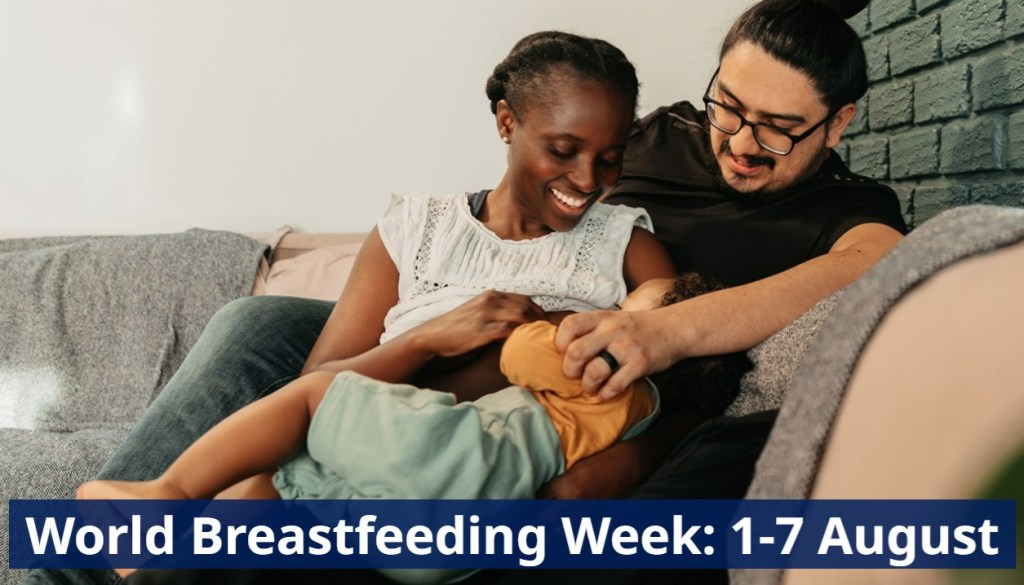
In 2018, the World Health Assembly officially endorsed World Breastfeeding Week as a crucial health promotion strategy. Each year, a new theme aims to foster supportive environments for breastfeeding, whether in the community, the workplace, or through government policies and laws. The goal is to share valuable information on the benefits of breastfeeding and strategies to support mothers.
If you’re contemplating whether to breastfeed your new baby, you might feel overwhelmed by the abundance of information. While the decision is deeply personal, the benefits of breastfeeding are numerous and well-documented.
The Gold Standard: Exclusive Breastfeeding Recommendations
The American Academy of Pediatrics (AAP) advises exclusive breastfeeding for the first six months, continuing even after introducing solid foods, ideally up to one year or as long as mutually desired by mother and baby. The WHO recommends breastfeeding until at least two years old or longer because the benefits continue for both mother and child.

Starting breastfeeding within the first hour after birth is crucial to maximizing its benefits. Let’s explore the science-based advantages of breastfeeding for both mom and baby.
11 Benefits of Breastfeeding for Both Mom and Baby
- Ideal Nutrition for Babies Breast milk contains everything a baby needs for the first six months of life in the right proportions. Its composition adapts to the baby’s changing needs, especially during the first month. Colostrum, the thick, yellowish fluid produced in the initial days, is high in protein, low in sugar, and rich in beneficial compounds, making it an irreplaceable first food.
- Important Antibodies Breast milk is packed with antibodies, particularly immunoglobulin A (IgA), which helps protect your baby from viruses and bacteria. This immunity is critical during the early months, forming a protective layer in the baby’s nose, throat, and digestive system.
- Reduced Disease Risk Exclusive breastfeeding lowers the risk of many illnesses and diseases, including middle ear infections, respiratory tract infections, gut infections, and even conditions like Sudden Infant Death Syndrome (SIDS), allergic diseases, bowel diseases, diabetes, and childhood leukemia.
- Promotes Healthy Weight Breastfeeding is linked to healthy weight gain and a lower risk of childhood obesity. Breastfed babies tend to develop beneficial gut bacteria, which can affect fat storage and appetite regulation.
- Enhanced Intelligence Breastfeeding may support better brain development due to the physical intimacy and nutrient content associated with it. Studies indicate that breastfed babies often score higher on intelligence tests and are less likely to develop behavioral problems or learning difficulties.
- Weight Loss for Moms Breastfeeding burns extra calories and can aid in weight loss postpartum. By the third month of lactation, many mothers experience increased fat burning.
- Uterus Contraction The hormone oxytocin, which increases during breastfeeding, helps the uterus return to its pre-pregnancy size and reduces post-delivery bleeding.
- Lower Risk of Postpartum Depression Breastfeeding is linked to a lower risk of postpartum depression. However, those experiencing early postpartum depression might face challenges in breastfeeding.
- Reduced Disease Risk for Mothers Breastfeeding offers long-term protection against breast and ovarian cancer, high blood pressure, arthritis, high cholesterol, heart disease, and type 2 diabetes.
- Delayed Menstruation Continuous breastfeeding can delay the return of ovulation and menstruation, providing natural spacing between pregnancies.
- Saves Time and Money Breastfeeding is cost-effective, eliminating the need for formula, bottle sterilization, and warming. It also provides convenient, ready-to-drink nutrition at the perfect temperature.

The Bonding Experience
Breastfeeding fosters a unique bond between mother and baby through physical closeness, skin-to-skin contact, and eye contact. This bonding helps your baby feel secure and can have long-lasting emotional benefits.
Continued Benefits Beyond the First Year
The benefits of breastfeeding extend beyond the first year. Continued breastfeeding supports the mother’s health by lowering the risk of breast and ovarian cancers and osteoporosis. It also promotes a lasting, nurturing relationship between mother and child.
World Breastfeeding Week serves as a reminder of the profound benefits breastfeeding offers. It is a celebration of the natural, life-sustaining bond between mother and child and a call to action for communities, workplaces, and governments to support breastfeeding mothers.
For more detailed information, check out these valuable resources:
- Healthline: 11 Benefits of Breastfeeding for Both Mom and Baby written by Adda Bjarnadottir, MS, RDN (Ice) and medically reviewed by Valinda Riggins Nwadike, MD, MPH, OB/GYN
- WebMD: Breastfeeding Overview
written by Rebecca Buffum Taylor and Katie Cameron and Medically Reviewed by Jabeen Begum, MD




 OnlineFuss
Leave a comment