
Genetics and mutations are fundamental forces driving the diversity of life on Earth. This article explores how genetic variations and mutations contribute to phenotypic differences, such as the occurrence of extra fingers and toes, and physiological adaptations like larger spleens in certain human populations. We’ll connect insights from a recent article on polydactyly (extra fingers or toes) with a study on the Badjao people’s unique genetic adaptations for diving.

The Role of Genetic Mutations in Phenotypic Variations
Mutations are changes in the DNA sequence that can occur due to various factors, including environmental influences and errors during DNA replication. These mutations can lead to different phenotypic outcomes, some of which may provide adaptive advantages.
The Science Behind Polydactyly
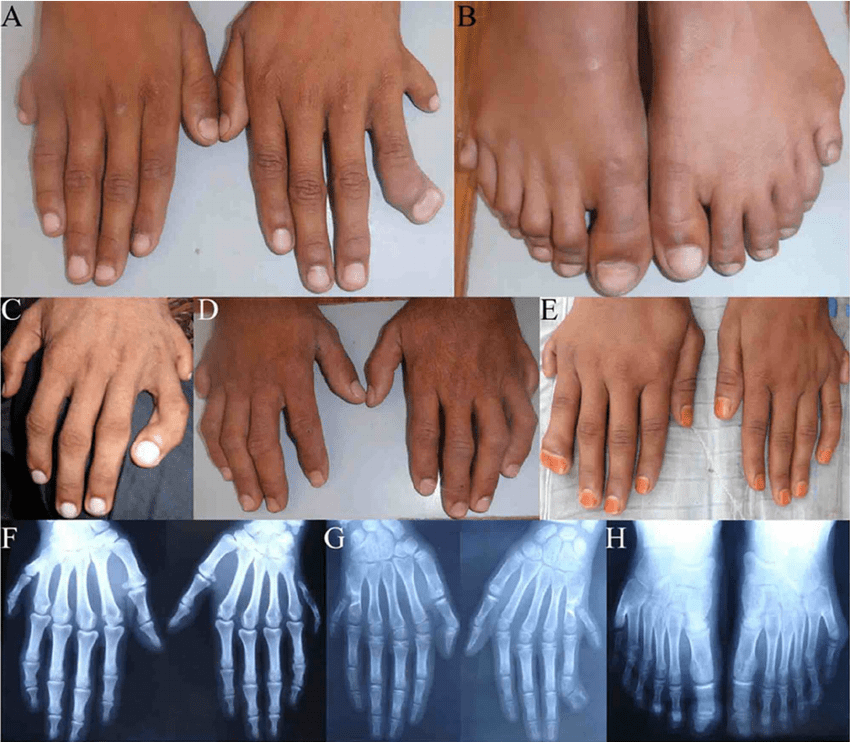
A recent study highlighted in SciTechDaily pinpointed a genetic culprit behind polydactyly, a condition where individuals are born with extra fingers or toes. This condition is linked to mutations in specific genes responsible for limb development. Researchers identified a mutation in the LMBR1 gene that disrupts the regulation of limb formation, leading to the development of additional digits. The research emphasizes how genetic mutations can lead to significant phenotypic changes, illustrating the power of genetic variability.
Genetic Adaptations in the Badjao People
Another fascinating example of genetic adaptation is found in the Badjao people, often referred to as “Sea Nomads.” The Badjao have engaged in breath-hold diving for thousands of years, relying on this skill for subsistence. A study published in *Cell* (Ilardo et al., 2018) explored the genetic and physiological adaptations that enable the Badjao to perform extraordinary feats underwater.
Diving into the Genetic Adaptations
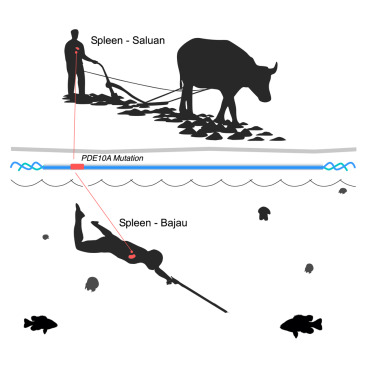
The study found that natural selection has led to an increase in spleen size among the Badjao. The spleen acts as a reservoir for oxygenated red blood cells, which can be released during dives, allowing the Badjao to stay underwater for extended periods. This adaptation is linked to specific genetic variants, particularly in the PDE10A gene, which is involved in regulating smooth muscle contraction, including that of the spleen.
Researchers used comparative genomic studies to identify these genetic variations. By comparing the Badjao’s genome with those of their land-dwelling neighbors, the Saluan, they discovered significant differences in spleen size and diving capabilities. The study revealed that the Badjao have a unique adaptation that enhances their ability to survive in hypoxic conditions underwater.
Connecting the Dots: Genetics, Mutations, and Adaptations
Both cases—polydactyly and the Badjao’s diving capabilities—demonstrate the profound impact of genetic mutations and adaptations. While polydactyly results from mutations affecting limb development, the Badjao’s larger spleens are a product of adaptive genetic changes that enhance their diving abilities.
The Mechanisms of Genetic Variation
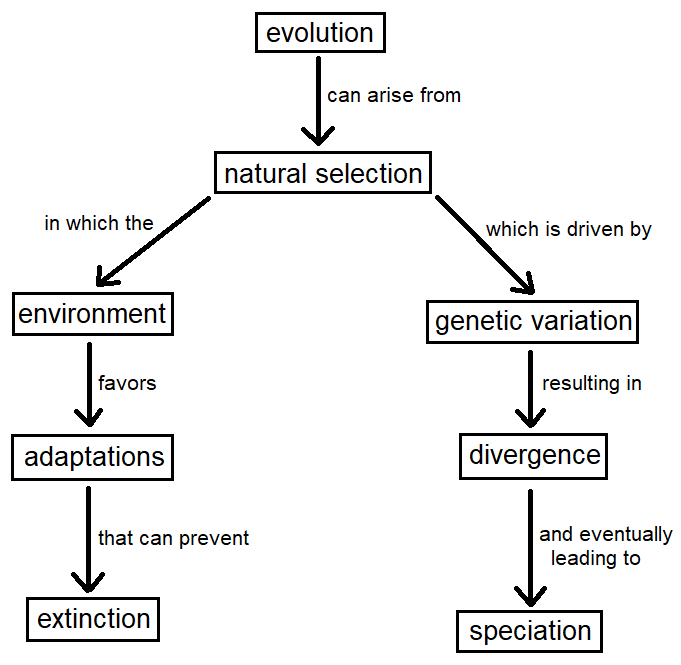
These examples underscore the versatility of genetic mechanisms in shaping diverse phenotypic traits. Genetic mutations, whether spontaneous or induced by environmental factors, create a pool of variations that natural selection can act upon. In the case of the Badjao, their unique lifestyle as sea nomads exerted selective pressure, favoring individuals with genetic traits that enhanced their diving capabilities. Over generations, these advantageous traits became more prevalent in the population.
Suggested Image: A flowchart illustrating the process of natural selection acting on genetic mutations, with specific examples of polydactyly and the Badjao’s adaptations.
The Broader Implications of Genetic Studies
Understanding the genetic basis of phenotypic variations provides valuable insights into the complexity of life. It highlights the intricate interplay between genetics and environment in shaping the diversity of traits observed in nature. These studies not only enhance our knowledge of human biology but also have practical applications in medicine and evolutionary biology.
Medical and Evolutionary Insights
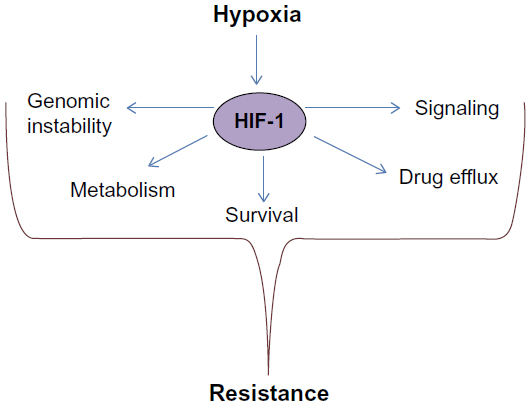
For instance, the study of genetic adaptations in the Badjao can inform research on hypoxia tolerance, which has significant medical implications. By understanding how the Badjao have adapted to low oxygen conditions, scientists can develop better treatments for conditions related to hypoxia, such as certain cardiovascular and respiratory diseases. Similarly, studying genetic mutations that lead to conditions like polydactyly can improve our understanding of developmental biology and congenital disorders.
Conclusion
Understanding the genetic basis of phenotypic variations, from extra fingers to enhanced diving capacities, provides valuable insights into the complexity of life. It highlights the intricate interplay between genetics and environment in shaping the diversity of traits observed in nature. As we continue to unravel the mysteries of genetics, we gain a deeper appreciation of the dynamic processes that drive evolution and adaptation.
References
- SciTechDaily. (2023). “Extra Fingers or Toes? Scientists Pinpoint a Genetic Culprit”. Retrieved from SciTechDaily Article: https://scitechdaily.com/extra-fingers-or-toes-scientists-pinpoint-a-genetic-culprit/
- Ilardo, M. A., Moltke, I., Korneliussen, T. S., Cheng, J., Stern, A. J., Racimo, F., … & Willerslev, E. (2018). Physiological and Genetic Adaptations to Diving in Sea Nomads. *Cell*, 173(3), 569-580. https://doi.org/10.1016/j.cell.2018.03.054




 OnlineFuss
Leave a comment